

DHS Wants to End the 60-Day Grace Period for H-1B and L-1 Workers. It’s Not the Law Today.
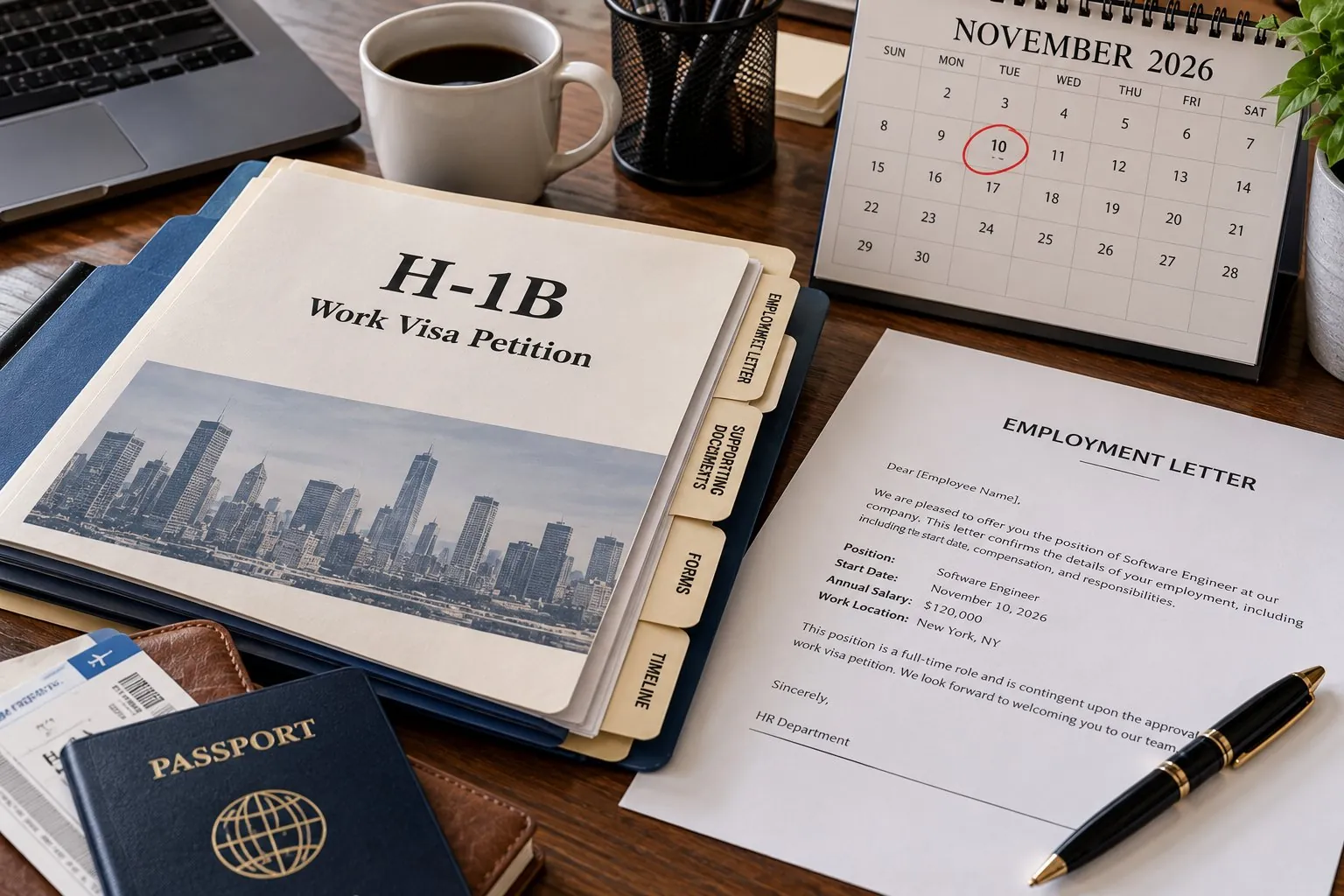
If you lose your job tomorrow, the 60-day grace period still applies. A new DHS proposal would take it away, but a proposal is not the law, and nothing changes until a final rule takes effect.
With layoffs in the news, H-1B and L-1 workers keep asking: if my job ends, how long do I have? Here is the honest answer, and the date that matters most: November 10, 2026, the last day to comment on the rule.
Today, the 60-Day Grace Period Still Protects You
Current rules let certain workers stay in the U.S. for up to 60 consecutive days after their job ends, or until their authorized stay expires, if that comes first. That time lets a worker find a new employer, change status, or plan an orderly departure.
💡 Who has it. H-1B, H-1B1, L-1, O-1, E-1, E-2, E-3 and TN workers, plus their spouses and children.
💡 What it is not. Automatic. USCIS grants it at its discretion, once per authorized validity period.
What DHS Is Proposing, and Who It Reaches
On September 11, 2026, DHS published a proposed rule titled “Eliminating the Discretionary 60-Day Grace Period” (91 FR 57807). It would delete the grace period entirely, and it reaches further than the headlines suggest.
🚩 Status would end the next day. A worker whose job ends would be out of status the day after, and DHS expects immediate departure unless the person has another basis to stay.
🚩 Families go with it. H-4, L-2 and E dependents would lose status at the same time, along with any work permit tied to it.
⚠️ Not only H-1B and L-1. O-1, TN, H-1B1 and E workers are covered too. The separate 10-day period at the end of a petition would not cover a mid-petition job loss.
A proposed rule is a warning, not a deadline to leave.
Before November 10: What to Do About the 60-Day Grace Period
You do not need to change your plans today. You do need a plan in case the rule becomes final.
✅ Know your dates. Your I-94 and petition end dates, and the same for your spouse and children.
✅ Keep your documents ready. Pay statements, an employment letter and approval notices are what a new employer’s filing would need fast.
✅ Talk to an attorney before a job ends. If the rule becomes final, the time between a layoff and losing status could shrink to one day.
✅ Comment by November 10, 2026. Anyone can comment on Regulations.gov under docket USCIS-2026-0364. Specific, first-person stories carry more weight than form letters.
If you sponsor H-1B workers, also read our update on the $100,000 H-1B fee. If your job is at risk, our employment-based visas questionnaire can show which options may fit your profile.

How Goldstein Immigration Lawyers Can Help You
A layoff is hard enough without wondering whether your family can stay. You do not have to wait for the final rule to prepare.
✅ Status timeline review: we map your dates and your family’s so you know exactly where you stand.
✅ A backup plan before you need it: we identify which options, such as a new employer’s petition or a change of status, could fit your profile.
✅ Employer guidance: we help companies plan restructurings with their foreign national workers’ status in mind.
Bring your I-94 and your latest approval notice. You will leave knowing your dates, your options and what to do if your job ends.
Schedule a Session
Don’t wait on this one. Call us today, and we will review your dates and options while the 60-day grace period is still the law.
💬 WhatsApp: https://wa.me/17744265784
📞 Call us: (213) 262-2000
Frequently Asked Questions
Yes. The change is only proposed, so the current rule still applies. It is discretionary and cannot run past the end of your authorized stay.
Posted in: Blog, Breaking, Employment-Based Immigration