
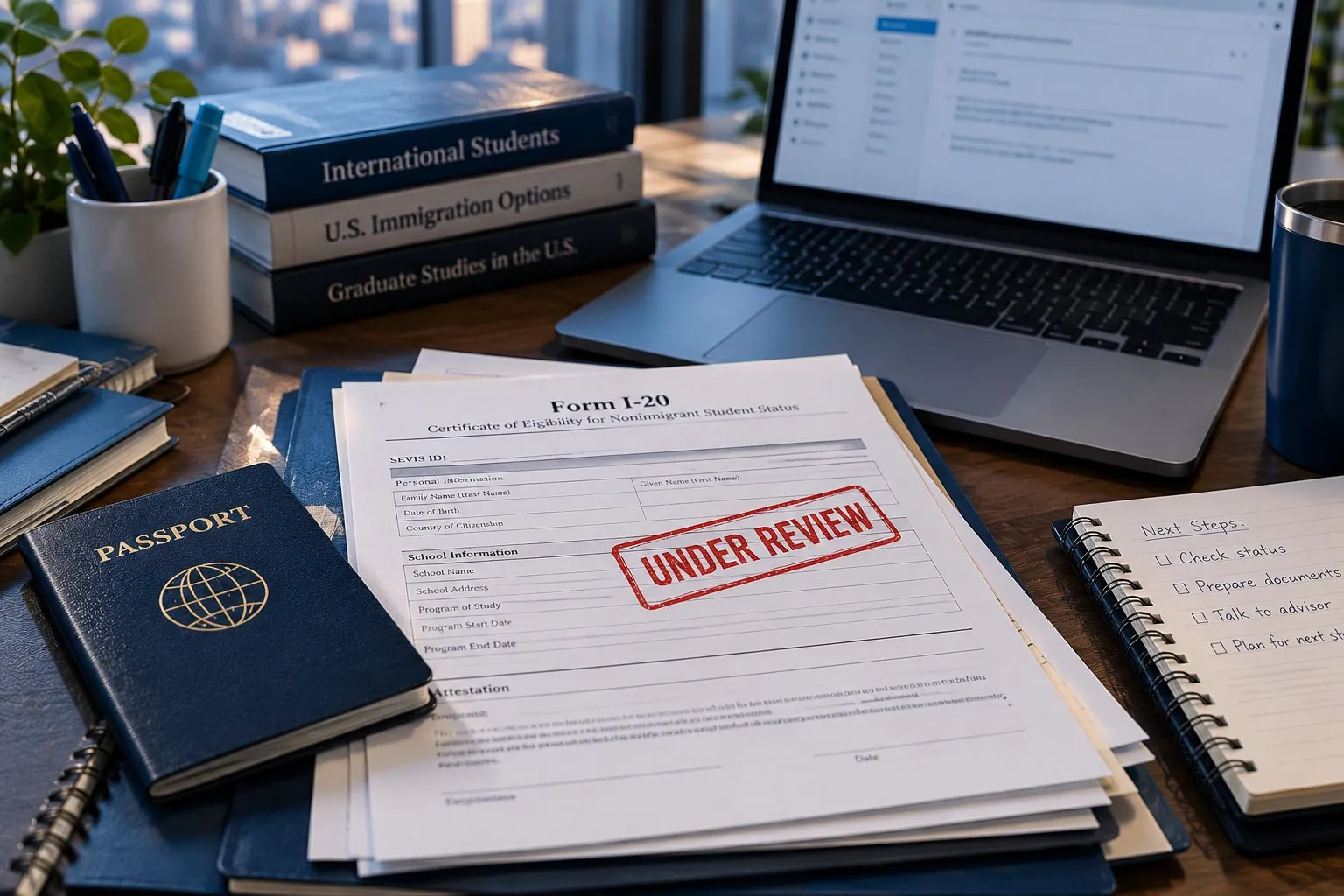
If you are on an F-1 or J-1 visa, the duration of status rule that was set to start on September 15, 2026 did not take effect. A federal judge put it on hold the day before, so duration of status still governs your stay, for now.
Still, the confusion is everywhere. Some students heard D/S ended in September. Others think they need to file an extension right away. Here is what is true today.
The Duration of Status Rule Never Took Effect
On September 14, 2026, Judge F. Dennis Saylor IV of the U.S. District Court for the District of Massachusetts postponed the rule nationwide in Presidents’ Alliance on Higher Education and Immigration v. DHS. He also barred DHS and ICE from taking further steps to put it in place, finding the challengers likely to win their claim that the rule is arbitrary.
➢ What the rule would do. Replace D/S with a fixed admission period of up to four years, cut the F-1 departure period from 60 to 30 days, require extension filings with USCIS, and limit school transfers and program changes.
⚠️ It is not over. The order is preliminary. The government appealed to the First Circuit on September 30 and wants the appeal expedited.
Four Myths About the Blocked Rule
🚩 “D/S ended on September 15.” False. The rule was blocked before it started, and the D/S system remains in place.
🚩 “I have to file an extension of stay now.” Not because of this rule. Check with your school before filing anything only because of the news.
🚩 “The new transfer and program-change limits apply.” Not while the order stands. Existing rules still govern.
🚩 “The ruling fixes everything.” It does not restore a status that ended for other reasons or extend an expired work permit. You still have to maintain your status.
Blocked is not the same as gone.
What to Do While the Duration of Status Rule Is on Hold
✅ Keep maintaining your status. Full course load or program participation, a valid I-20 or DS-2019, timely reporting, and only authorized work.
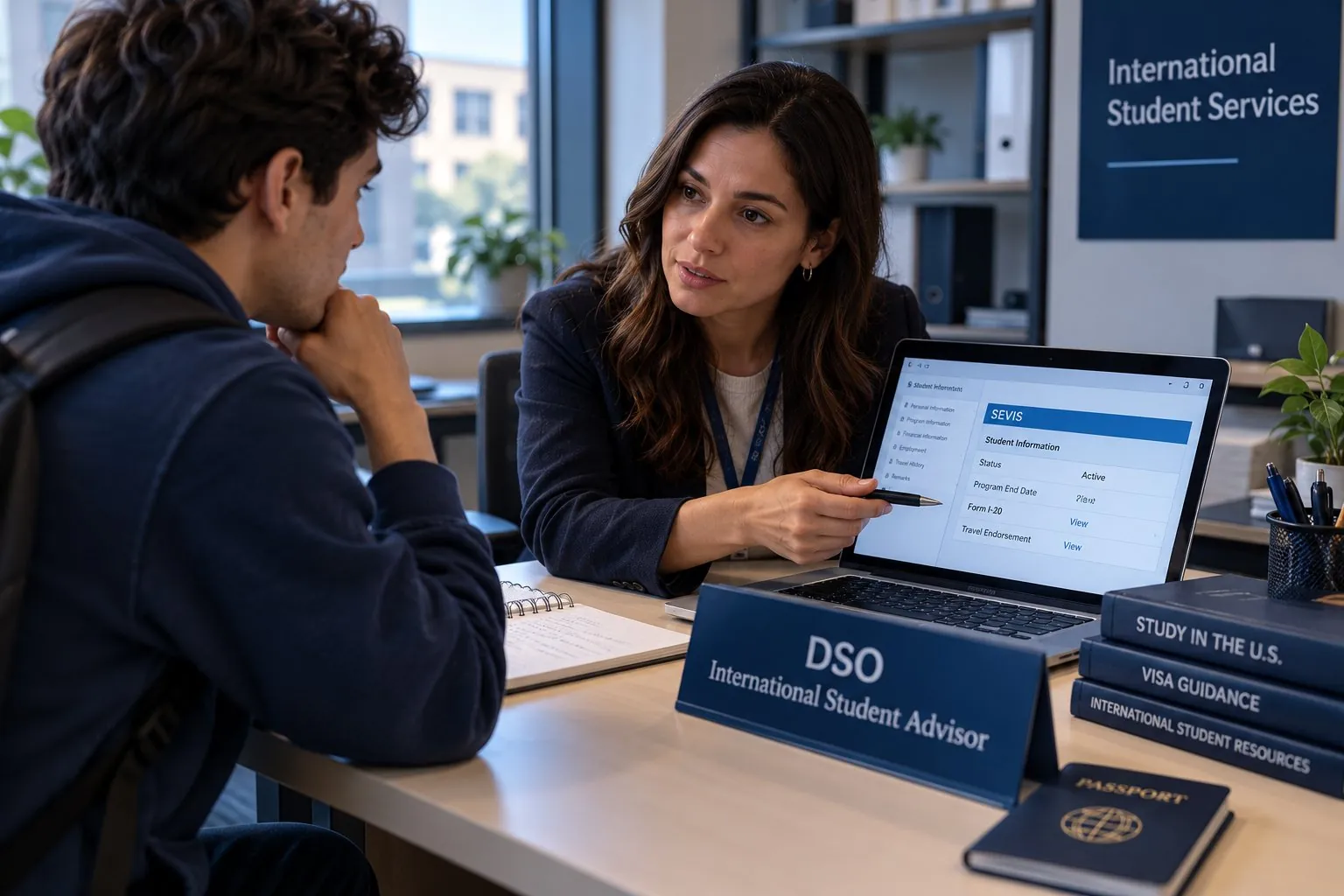
✅ Talk to your DSO or Responsible Officer before you file or travel. They see your SEVIS record and know your school’s process.
✅ Plan for both outcomes. If the rule comes back, students near the end of a program could need an extension filing. Know your program end date.
✅ Watch the separate OPT proposals. DHS has also proposed new fees tied to OPT. They are proposals, not law, and this ruling does not address them.
How Goldstein Immigration Lawyers Can Help You
Student rules are changing faster than most school pages can update. Our team helps you understand where you stand today and what comes next.
✅ Status check: we review your I-20 or DS-2019, I-94 and program dates under current rules, and what would change if the rule returns.
✅ After-graduation planning: we map OPT, STEM OPT and H-1B timing so a gap does not catch you off guard.
✅ Next-step options: when your student path ends, we look at which work or family-based options could fit.
Bring your I-20 or DS-2019, your I-94 and any work permit. You will leave knowing which rules apply to you today.
Schedule a Session
Don’t wait on this one. Call us today, and we will review your documents and explain what applies to you while the rule is on hold.
💬 WhatsApp: https://wa.me/17744265784
📞 Call us: (213) 262-2000
Frequently Asked Questions
Yes. While the court order stands, the D/S system remains in place for F and J students and exchange visitors. If your I-94 shows something different, ask your DSO or an attorney to review it.